
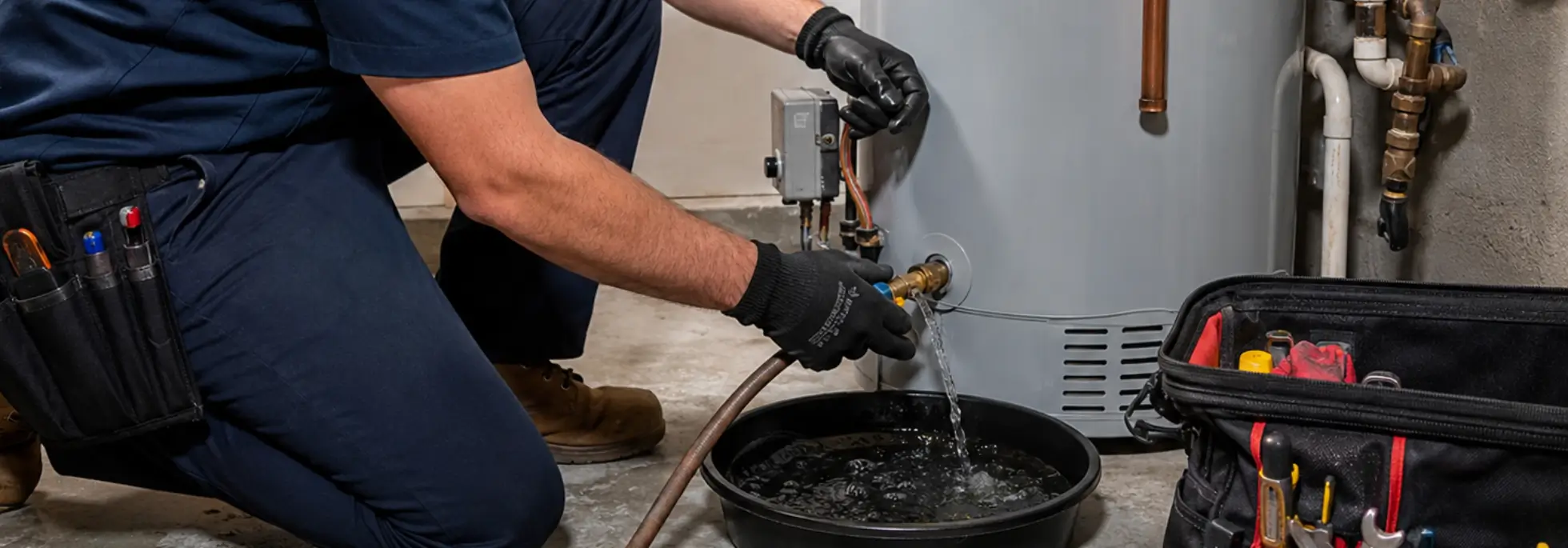
Get Your Quote for Water Heater Maintenance
Tell us about your Water Heater Maintenance in New York and we will come back with a price before any work starts.
Tell us about your Water Heater Maintenance in New York and we will come back with a price before any work starts.
Sediment settles at the bottom of every tank water heater from the day it's installed, and it never stops on its own. Water Heater Maintenance Queens clears it out before it shortens the tank's life or shows up as rumbling, rusty water, or a rotten-egg smell.
Gas Service New York performs Water Heater Maintenance for homeowners who want their tank to actually reach its full expected lifespan instead of failing years early from neglect. Most tank water heaters across Queens get zero attention between installation and eventual failure, which is exactly why so many tanks die at 8 to 10 years when they were built to last 12 to 15 with basic annual care. That gap between rated lifespan and actual lifespan is almost entirely explained by whether or not the tank ever received routine maintenance.
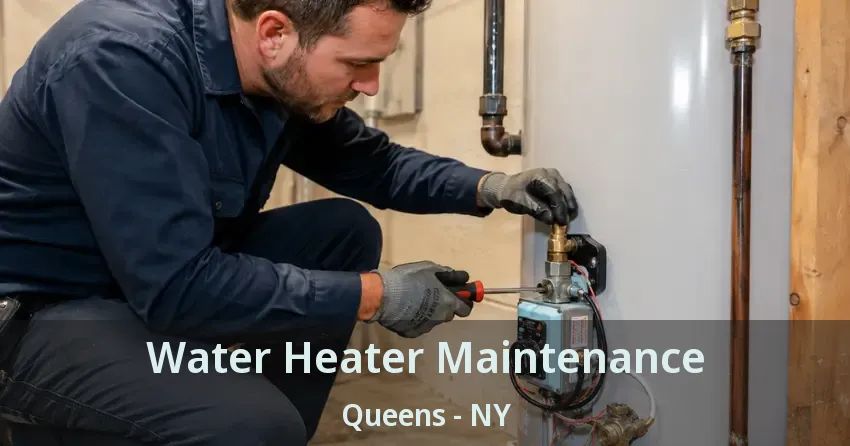
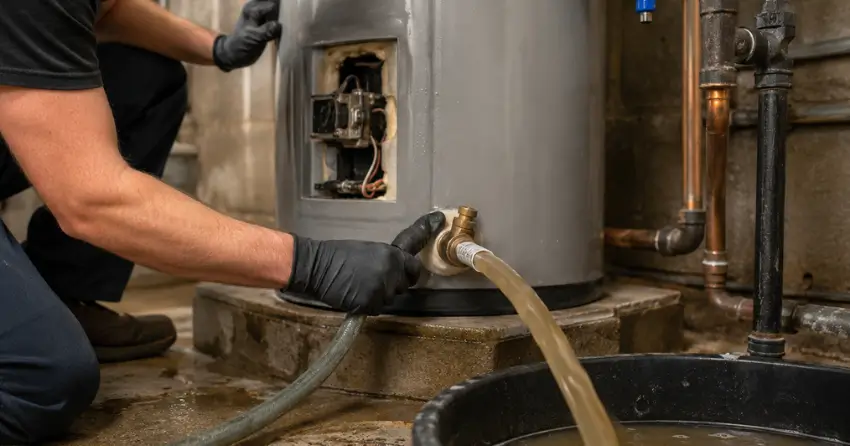
A full maintenance visit starts with draining and flushing the tank to remove sediment that has settled at the bottom since the last service. This buildup insulates the lower heating element or burner from the water it's supposed to heat, forcing the system to work harder and burn more energy for the same amount of hot water across Queens homes. The flush itself typically takes 30 to 45 minutes depending on tank size and how much sediment has accumulated since the previous visit, with older tanks that have gone longer between services often requiring extra time to clear a thicker layer completely.
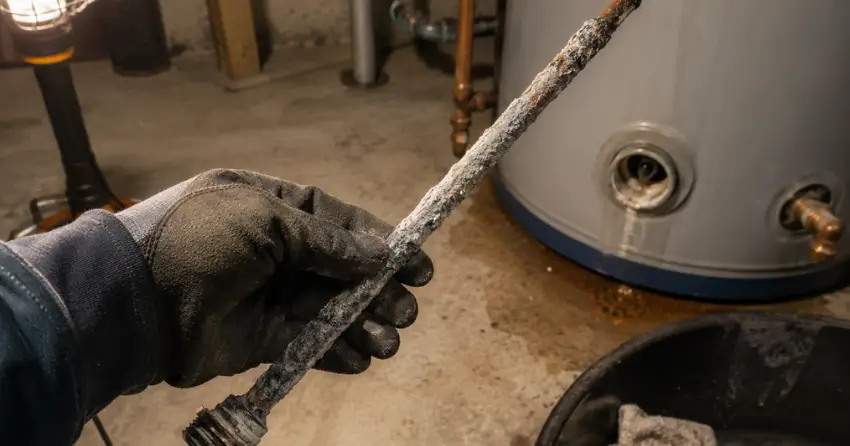
Beyond the flush, our technicians across Queens inspect the anode rod for depletion, since this sacrificial component corrodes in place of the tank itself and needs replacement roughly every three to five years depending on water quality. The pressure relief valve gets tested for proper function, and gas units get a burner and venting check to confirm safe, efficient combustion throughout the system. Electric units instead receive an inspection of the heating elements and thermostat calibration, since these components wear differently than a gas burner assembly.
Water Heater Maintenance is priced starting from $100 to $300 depending on tank size, whether anode rod replacement is needed, and the current condition of the drain valve and connections. A straightforward annual flush sits toward the lower end.
A complete visit includes draining and flushing the tank to remove sediment, inspecting the anode rod for depletion, testing the pressure relief valve, and a burner and venting check on gas units or heating element inspection on electric units.
An annual flush is the standard recommendation for most tank water heaters. Homes with notably hard water benefit from checking sediment levels more frequently, sometimes every six to eight months instead of a full year.
The anode rod typically needs inspection every two to three years and replacement every three to five years depending on water quality. It corrodes in place of the tank, so once it's depleted the tank itself becomes vulnerable.
A tank that never receives maintenance typically fails years before its rated lifespan, often at 8 to 10 years instead of 12 to 15. Sediment buildup also reduces usable hot water capacity and raises energy costs gradually over time.
Rumbling or popping sounds, hot water running out faster than before, rusty or discolored hot water, a rotten-egg smell limited to hot taps, and a tank that has never been flushed are the clearest signs maintenance is overdue.
No. Maintenance extends a tank's life but cannot reverse existing damage. A tank with an active leak from the tank wall itself has moved past what maintenance can address and typically needs replacement rather than service.
Yes. Gas Service New York services every major tank manufacturer, including brands with combination anode rods integrated into the outlet fitting rather than a separate top-mounted rod, ensuring the correct service approach for each unit.
Sediment does not just sit harmlessly at the bottom of the tank. It occupies volume that should hold heated water, which means a tank with significant buildup delivers less usable hot water than its rated capacity, even though nothing about the tank itself has physically changed. Homeowners who skip Water Heater Maintenance Queens frequently notice hot water running out faster than it used to and assume the tank is failing, when sediment accumulation is often the actual cause behind the change in performance.
The sediment layer also causes the rumbling or popping sounds many homeowners across Queens hear during heating cycles, as water trapped underneath the buildup turns to steam and works its way through. Left unaddressed for years, this same buildup accelerates corrosion at the tank's base, which is the direct path to the kind of leak that ends a tank's life permanently rather than something a flush can still fix. A tank that has never been flushed since installation is almost always carrying more sediment than a homeowner would expect from simply looking at the outside of the unit.
The anode rod is designed to corrode instead of the tank across Queens, attracting the minerals and corrosive elements in the water so the steel tank walls stay protected for years longer than they would otherwise. Once the rod is fully consumed, that protection disappears, and the tank itself becomes the next thing corrosion attacks, often within a relatively short window once the sacrificial component is gone.
Replacing a depleted anode rod costs a fraction of a full tank replacement, making it one of the highest-return tasks in any Water Heater Maintenance Queens visit. A rotten-egg smell specifically in the hot water, and nowhere else in the home's plumbing, is one of the clearest signs the anode rod has failed and is reacting with bacteria in the tank rather than protecting it. Magnesium rods offer stronger protection but can be more prone to this odor issue in certain water conditions, while aluminum rods provide a milder alternative with somewhat less corrosion resistance overall.
An annual flush is the standard recommendation for most tank water heaters, and that schedule works well for typical water conditions found across Queens. Homes with notably hard water benefit from checking sediment levels more frequently, since mineral-heavy water accelerates the buildup that a flush is designed to remove, sometimes cutting the effective interval down to every six to eight months instead of a full year.
The anode rod follows a different schedule than the annual flush across Queens, typically needing inspection every two to three years and replacement every three to five years depending on what that inspection reveals. Our technicians check both components during the same visit, since there is no reason to schedule two separate appointments for tasks that take only slightly longer combined than either would take alone. Combining both checks into one visit also means a homeowner gets a single, complete picture of the tank's condition rather than two partial assessments spread across different appointments.
Certain symptoms point clearly to a tank that has gone too long without Water Heater Maintenance Queens, and recognizing them early is the difference between a routine flush and a repair bill that could have been avoided entirely with basic upkeep. Homeowners who catch these signs early consistently spend less over the life of the tank than those who wait until a symptom becomes impossible to ignore.
Any single sign on its own is worth booking a maintenance visit across Queens before the issue develops further and potentially becomes harder to resolve. Multiple signs together usually mean sediment and anode depletion have both progressed past the point where a simple flush alone resolves everything, which is why a full inspection matters more than a quick fix once several symptoms have appeared at the same time.
A tank water heater that never receives Water Heater Maintenance Queens typically fails years before its rated lifespan, turning what should have been a 12 to 15 year appliance into one that needs replacement at 8 to 10 years instead. That gap represents a genuinely significant loss, since a full replacement costs many times more than the cumulative cost of annual maintenance over the same period, and the comparison only gets more lopsided the longer a tank goes without service.
Efficiency losses compound the financial impact well before outright failure. A tank working harder to heat water through a sediment layer consumes more energy for the same output. This shows up as a gradually rising utility bill that most homeowners across Queens never trace back to a maintenance issue until a technician points out the buildup directly. That efficiency loss alone, compounded over several years of neglect, can add up to a meaningful fraction of what routine maintenance would have cost in the first place.
Different manufacturers across Queens position anode rod access and drain valve design slightly differently, and a technician unfamiliar with a specific brand's layout can take considerably longer to complete a routine visit. Some tanks in particular sometimes use a combination anode rod integrated into the hot water outlet fitting rather than a separate top-mounted rod, a detail that changes the entire service approach and catches an unfamiliar technician off guard mid-visit.
Our technicians service every major tank manufacturer on the market, including models with their specific component layouts and known failure patterns. Recognizing a unit's particular drain valve tendencies or anode configuration on sight, rather than researching it during the visit, keeps routine maintenance appointments efficient and predictable for homeowners across Queens. That familiarity also means catching a brand-specific early warning sign that a generalist technician might miss entirely.
Maintenance extends a tank's life meaningfully across Queens, but it cannot reverse damage that has already occurred. A tank that has developed an active leak from the tank wall itself, rather than a fitting or valve, has moved past the point where any maintenance task can help. That kind of corrosion damage is permanent once it perforates the tank, and no flush or anode replacement can restore what has already rusted through.
Our technicians across Queens are upfront about this distinction during every visit. If a tank is still structurally sound and simply needs its scheduled service, that is exactly what gets done. If the inspection reveals damage beyond what maintenance can address, we explain the finding honestly rather than performing service that will not meaningfully extend the tank's remaining life. Charging for a flush on a tank that is already failing would not serve the homeowner's actual interest.
Water Heater Maintenance Queens with Gas Service New York is priced starting from $100 to $300 depending on tank size, whether anode rod replacement is needed, and the current condition of the drain valve and connections. A straightforward annual flush on a tank in good condition sits toward the lower end, while a visit that includes anode replacement or addresses a stuck or corroded drain valve sits higher, since these additional tasks require extra parts and time beyond the standard flush. Call (646) 576-7805 or contact us to book your appointment and get a specific price for your tank.
Every visit includes the full flush, anode inspection, and pressure relief valve test as standard practice, not as separate add-on charges discovered partway through the appointment. Homeowners across Queens appreciate knowing the complete scope of work before the technician arrives at the home, rather than facing an unexpected upsell once the work has already begun.
Gas Service New York is fully licensed and insured, and every water heater maintenance visit is backed by a workmanship guarantee covering the service performed. With 15 years of experience maintaining gas and electric water heaters throughout Queens, our technicians recognize the difference between a tank that needs its routine service and one already showing signs of a bigger issue underneath the surface. That distinction genuinely matters for deciding what a given visit should actually involve.
We never recommend replacement when maintenance can genuinely extend a tank's useful life, and every technician explains what was found during the visit before discussing any next steps with the homeowner directly. That honesty is why households across Queens book their next appointment with our team rather than starting over with a new provider each year, building a service history that makes each subsequent visit faster and more informed.
A tank water heater that has gone years without a flush is already carrying more sediment and corrosion risk than most homeowners realize. Every additional year without service makes the eventual visit more involved and the tank's remaining life shorter than it needs to be. Gas Service New York makes scheduling simple for homeowners across Queens who want their tank serviced properly before a symptom forces the issue rather than after.
Whether this is a first-time Water Heater Maintenance Queens visit on a tank that has never been flushed or an annual appointment on a well-maintained system, our team treats every visit with the same thoroughness regardless of the tank's current condition. We explain what we find in plain terms, so homeowners understand exactly what shape their tank is in and what, if anything, needs attention beyond the routine service performed that day.
To schedule your maintenance visit, contact us or call (646) 576-7805 and our team will confirm a time that works for your home and your tank's specific needs.
Many water heater issues develop quietly between service visits. Here are the problems our technicians find most often when homeowners haven't had a maintenance check in a while.
The anode rod is the component that prevents the steel tank from corroding internally by sacrificing itself over time. Once the rod is fully depleted, the tank lining becomes the next target for corrosion and the water supply often takes on a metallic or sulfur smell. We inspect and replace anode rods during every maintenance visit, catching this issue before it progresses to tank failure.
Calcium and mineral deposits from the water supply settle and harden on the tank floor over time, creating a layer that insulates the burner and forces longer heating cycles. The result is higher gas consumption, reduced hot water output, and the rumbling or popping sounds homeowners often describe. We flush the sediment out during maintenance before it reaches the point where it can no longer be fully removed.
A thermostat that has drifted from its original setting causes the unit to either overheat the water, wasting energy, or under-heat it, leaving homeowners with water that never quite reaches a comfortable temperature. Both conditions increase operating costs and reduce comfort. We check and recalibrate the thermostat during maintenance to confirm the unit is operating within the correct and safe temperature range.
The pressure relief valve is a critical safety component that releases excess pressure before it can build to a dangerous level. A valve that does not seal properly after activation allows small amounts of water to drip continuously, while a stuck valve may not open when needed at all. We test every pressure relief valve during maintenance and replace valves that fail to perform correctly.
Gas supply connections at the water heater can develop minor corrosion, loose fittings, or wear at the flex connector over years of thermal cycling. These issues rarely cause an immediate failure but can reduce burner performance and, in more advanced cases, create a slow gas leak. We inspect all gas-side connections during maintenance and flag anything that needs tightening or replacement.
Flue pipes and venting connections can separate at joints, accumulate debris, or develop rust that partially restricts exhaust flow. A compromised venting path forces combustion gases to work harder to exit the system and, in serious cases, allows carbon monoxide to enter the living space. We inspect the venting path from the unit to the termination point and address any blockage or separation found.
A unit that takes significantly longer to reheat than it used to is almost always dealing with sediment insulation on the burner surface, a thermostat running below its original setting, or a gas supply not delivering the rated pressure. Recovery speed is one of the most practical indicators of a water heater's current health. Our maintenance process addresses each of the common causes so the unit can return to its original recovery rate.
A water heater that has gone more than a year without professional service may have anode rod depletion, sediment accumulation, and gas connection wear that compound quietly. The risk of a mid-season breakdown or premature tank failure increases with each season skipped. We assess the full unit condition during a catch-up maintenance visit and address what needs correction.
A sulfur or metallic smell from hot water taps is usually a sign that the anode rod has depleted and can no longer protect the tank lining. Rust-colored water on the hot side points to a corroding tank interior, which is a more serious condition. We assess both situations and explain clearly whether the unit can be serviced or whether replacement is the more practical path.
Our hot water had a sulfur smell for weeks and we had no idea why. The technician from Gas Service New York found our anode rod was completely depleted and replaced it. Smell is completely gone now.
We assumed our tank was just getting old but the technician showed us the sediment buildup during the flush. Noticeably more hot water available since the service. Wish we had booked this years ago.
Our old drain valve was corroded and needed replacement during the flush, which added a bit to the cost. The Gas Service New York technician explained everything clearly and the tank runs quietly now.
We called for routine maintenance but the technician found early signs of tank corrosion and was upfront that a repair wouldn't extend its life much. Appreciated the honesty instead of an unnecessary flush.
This was our second year booking with Gas Service New York and the visit was fast since they already knew our tank's history. Great to have the same technician who remembers our specific unit.
During our routine flush the technician found our pressure relief valve wasn't releasing properly. Glad it was caught during a scheduled visit rather than becoming a bigger safety issue later.
Tell Gas Service New York what your system is doing and we will get a licensed technician to you in New York.
Call for anything urgent. For everything else, the form reaches the same team.
CALL US (646) 576-7805 EMAIL US Click to send a messageSend the details. Your information stays private.

